

Aluminium Fabrication Singapore: Gates, Glass & Metal
Aluminium fabrication in Singapore covers cutting, welding, finishing and assembling aluminium into finished products: gates, window frames, sun screens and glazing frames. It sits behind most landed-home driveways and commercial lobbies in the country. With BCA logging close to 30 falling-façade reports a year, fabrication quality reads as a safety question, not only a cosmetic one. This blog walks you through how custom automatic gate systems, glazing and metalwork are made.
What does aluminium fabrication actually involve?
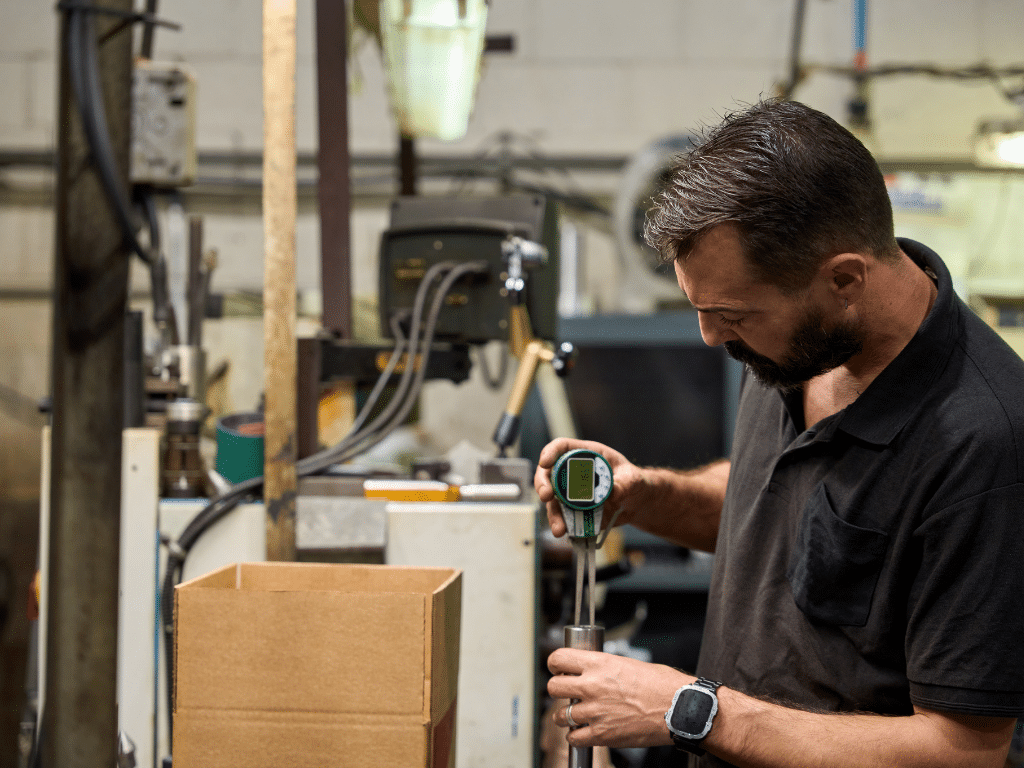
Aluminium fabrication is the conversion of raw aluminium profiles and sheet into a finished assembly through five stages: measurement, cutting, forming, joining and finishing. A fabricator starts with extruded sections, usually alloy 6063 in a T5 or T6 temper, then cuts to length, notches corners, and joins the parts by TIG welding or mechanical fastening.
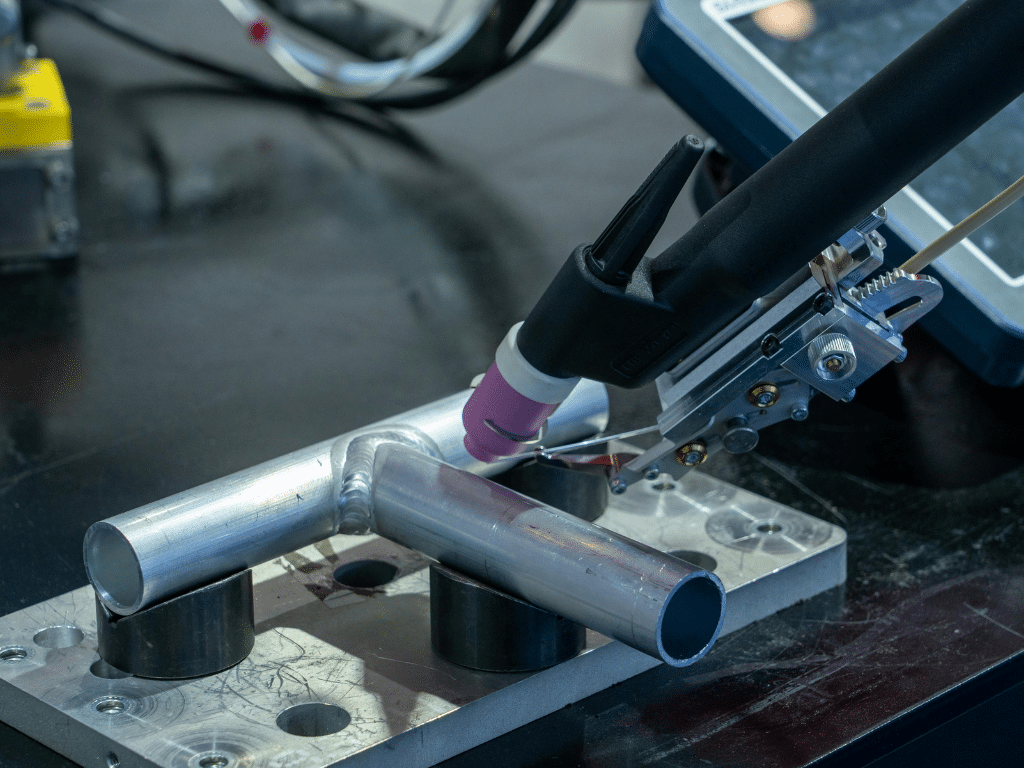
Joining is where aluminium behaves differently from steel. Aluminium melts at around 660 degrees Celsius, far below mild steel’s 1,370 degrees, and it pulls heat away fast. That is why TIG welding (GTAW) is the standard for clean structural joints, with MIG used on thicker sections. Get the heat wrong and the joint warps or cracks.
The cleaner the workshop’s tolerances at the cutting stage, the less filling and grinding is needed later. In practice, a 1 mm error at the corner of a 2.5 m gate frame shows up as a visible gap once it is hung. Good fabrication is decided at the saw, not at the paint booth.
What can be custom-fabricated from aluminium?
Almost any architectural opening element can be fabricated from aluminium: driveway gates, pedestrian gates, window and door frames, balustrades, sun-shading fins, planter screens and glazing frames. The material’s strength-to-weight ratio is why it dominates these products in Singapore.
Gates are the most common request. Aluminium is also the carrier frame for most glazing work, holding fixed panels, sliding panels and frameless assemblies in place. For projects that need privacy on demand, the glazing can carry switchable smart glass instead of plain tempered glass.
A capable workshop runs gates, fabricated aluminium products and glazing and glass works under one roof, which keeps frame and glass tolerances aligned. That single-supplier control matters most where an aluminium frame and a glass infill have to meet within a 3 mm gasket channel.
Aluminium or mild steel: which should you fabricate a gate from?
For driveway gates on most Singapore landed homes, aluminium is the right default. It weighs roughly a third of mild steel at the same volume, around 2.7 grams per cubic centimetre against 7.85, so the gate motor works less and lasts longer.
Mild steel still wins on raw strength and price per kilogram, which is why it appears on very wide cantilever spans, industrial gates and heavy security applications. The trade-off is corrosion. Mild steel must be hot-dip galvanised or kept under a maintained paint film, while aluminium forms its own protective oxide and shrugs off Singapore’s humidity. The honest split: aluminium for daily-use residential gates, mild steel where structural load or budget rules. We cover the geometry side of this choice in our breakdown of sliding and swing gate trade-offs.
How does powder coating protect a fabricated finish, and how long does it hold?
Powder coating is the finish applied to fabricated aluminium for both colour and weather protection. It is an electrostatically charged polymer powder baked onto the metal at around 200 degrees Celsius, forming a film of roughly 60 to 80 microns for architectural work.
Anodising is the alternative. Instead of sitting on the surface, it grows an integral oxide layer of about 15 to 25 microns into the metal itself. Anodising beats powder coating on high-traffic edges, handrails and door pulls, because there is no coating to chip. Powder coating wins on colour range and cost.
In Singapore’s climate, a correctly applied architectural powder coat holds 10 to 15 years before noticeable fade, and coastal, salt-exposed sites age faster. Worth noting: a thin or rushed coat under 40 microns is the single most common reason a two-year-old gate already looks chalky.
What drives the cost of custom aluminium fabrication?
Custom aluminium fabrication is priced on four variables: profile weight, joint count, finish type and design complexity. Material is rarely the biggest line. Labour and finishing usually are.
A simple flush-panel gate with few welds and a standard powder colour sits at the low end. Add laser-cut motifs, curved sections, a premium anodised finish or a metallic powder, and the price climbs because each adds machine time or a separate process pass. Hardware then layers on top: hinges, locks, the gate motor and access integration. The frame is often half the final bill. For a full breakdown of what shapes autogate pricing, including motor and installation cost, the gate-specific guide goes deeper. The reason two quotes for the same gate differ by thousands is almost always finish grade and weld count, not the aluminium.
How long is the fabrication lead time from measurement to install?
Custom aluminium fabrication in Singapore typically runs three to six weeks from confirmed measurement to installation, depending on finish and workload. The clock starts at the site survey, not the deposit.
The sequence is predictable. Site measurement and shop drawings take a few days, fabrication and welding a week or two, then the finish pass. Powder coating adds three to five working days because parts go to a coating line and back. Anodising can add longer, since batches are processed off-site. A workshop that controls its own cutting and welding can compress the front half of that timeline; the finishing stage is the part nobody can rush without cutting corners on coat thickness.
What HDB and BCA approvals do fabricated aluminium works need?
Fabricated aluminium works on Singapore buildings are regulated, and the rules differ by property type. For window replacement in an HDB flat, you must engage a BCA-approved window contractor and obtain an HDB renovation permit before any work begins, as set out in HDB’s window replacement guidelines.
The detail that catches owners out: since 2004, BCA requires casement windows to use grade 304 stainless steel rivets, not the original aluminium ones, and aluminium windows must meet SS 212, the Singapore Standard for aluminium alloy windows. For taller buildings, BCA’s periodic façade inspection regime has applied since 1 January 2022, requiring buildings over 13 metres and more than 20 years old to be inspected every seven years. Landed houses are exempt from PFI, which is why driveway gate fabrication for landed homes carries lighter regulatory load than commercial glazing.
In-house workshop or trading middleman: how do you choose a fabricator?
Skip the trading middleman. A fabricator with its own workshop controls tolerances, weld quality and timeline that a reseller simply cannot, because the reseller is forwarding your job to a third party and marking it up.
The test is simple. Ask where the cutting and welding physically happen, and ask to see the workshop. A genuine fabricator answers without hesitating. Where this breaks down is mixed models: a firm that fabricates gates in-house but outsources glazing, so the two never quite align on site. The cleaner approach is a single workshop that runs aluminium, steel and glazing together, so one team owns the result. A 2.5 m gate that arrives 4 mm out of square is a workshop problem, and you want the people who made it standing in front of you, not a hotline.
How does fabrication differ for landed homes versus commercial projects?
Landed-home fabrication is driven by driveway geometry; commercial fabrication is driven by traffic loading and façade compliance. On a landed property, the constraints are swing clearance, slope and the width of a tight driveway, which is why trackless folding and sliding gates suit older estates.
Commercial work changes the brief. Frames carry heavier glazing, doors cycle hundreds of times a day, and anything above 13 metres falls under the PFI inspection regime. Finishes shift too: commercial clients lean toward anodised or two-coat systems that survive constant contact, while landed clients prioritise colour matching to the house. The fabrication method is the same aluminium and the same welds; the loads, the cycles and the compliance are what separate a condo lobby job from a semi-detached driveway gate.
Conclusion
Aluminium fabrication quality is decided long before the finish goes on. The alloy and temper set the strength, the welds set the durability, the coating sets the lifespan, and on commercial buildings the BCA and HDB rules set what is even allowed. A workshop that owns all four stages is what separates a gate that lasts fifteen years from one that chalks in two.
Planning a gate, glazing or architectural metalwork project? Send your dimensions and site photos to Enforce for a fabrication assessment and quote on custom automatic gate systems.
Frequently asked questions
Is aluminium strong enough for a main gate in Singapore?
Yes. Alloy 6063 in a T5 temper handles standard driveway gate spans while weighing about a third of mild steel, which eases load on the gate motor. For very wide cantilever spans or high-security industrial gates, a mild steel frame is sometimes the better structural choice.
How long does powder coating last on an aluminium gate?
A correctly applied architectural powder coat of around 60 to 80 microns typically holds 10 to 15 years in Singapore’s climate before noticeable fade. Coastal, salt-heavy locations age faster, and a coat thinner than 40 microns will chalk within a couple of years.
Do I need a permit to install new aluminium windows in an HDB flat?
Yes. HDB requires a renovation permit and a BCA-approved window contractor (registered under workhead RW01) for any window replacement. Since 2004, casement windows must use grade 304 stainless steel rivets, and the windows must comply with SS 212.
What is the difference between powder coating and anodising?
Powder coating bonds a pigmented polymer film of roughly 60 to 80 microns onto the surface, giving the widest colour range. Anodising grows an integral oxide layer of about 15 to 25 microns into the metal for a hard, metallic finish. Anodising suits high-traffic edges; powder coating suits colour-matched gates.