

Automatic Door Installation Singapore 2026 Cost Guide
Automatic door installation Singapore projects are no longer just aesthetic upgrades. They shape accessibility, traffic flow, safety compliance, and daily operations for retail stores, clinics, offices, and industrial facilities. This blog will walk you through real 2026 installation costs, regulatory requirements, technical specifications, and how to evaluate the right contractor for your property.
In Singapore’s built environment, automatic entrance systems are functional infrastructure. When specified correctly, they improve energy efficiency, reduce physical contact, and meet accessibility standards. When installed poorly, they create safety risks and recurring repair costs.
For a clear overview of available systems, see Enforce’s automatic doors company in Singapore page.
Why Automatic Door Installation Is Growing in Singapore
Increased Accessibility Requirements
Singapore’s Code on Accessibility in the Built Environment, administered by the Building and Construction Authority, places emphasis on inclusive access in commercial and public buildings. Automatic sliding doors support barrier-free access in malls, medical centres, schools, and offices.
An entrance automation system reduces the physical force required to open doors. In high traffic areas, this improves user flow and reduces congestion.
Hygiene and Touchless Entry Expectations
Post-pandemic expectations did not disappear. Retail operators and healthcare facilities still prioritise hands-free entry. Motion sensor glass doors equipped with safety beam sensors detect movement and open without contact.
This function is defined by:
- Detection method: infrared or microwave sensor
- Response time: typically under one second
- Opening width: matched to pedestrian traffic volume
Energy Efficiency and Climate Control
In air-conditioned environments, automatic sliding door installation limits unnecessary air loss. Modern systems include:
- Programmable opening width
- Auto close timing
- Air curtain compatibility
These features reduce HVAC strain in high usage buildings.
How Much Does Automatic Door Installation Cost in Singapore in 2026?
This is the first serious question buyers ask.
Average Cost Range
In 2026, automatic door installation Singapore projects typically fall within:
- Small commercial entrance: SGD 4,000 to 7,000
- Larger retail storefront: SGD 7,000 to 15,000
- Custom aluminium and glass integration: above SGD 15,000
The price depends on measurable variables.
Key Cost Drivers
Door Width and Glass Thickness
A 10mm tempered glass panel costs more than 8mm. Larger spans require reinforced aluminium framing.
Motor Capacity
High traffic retail entrances require heavier-duty motors with higher cycle ratings. A motor rated for 1 million cycles lasts significantly longer than lower-tier models.
Sensor Configuration
Single sensor systems are cheaper. Dual safety beam sensors improve obstacle detection and increase cost.
Site Preparation
Existing structures may require:
- Structural reinforcement
- Power point relocation
- Glass panel modification
Each adds labour and materials.
Power Failure Backup
Some commercial sites require battery backup or fail safe open configuration for emergency egress. This affects both hardware and compliance planning.
For a deeper technical breakdown of system components and design considerations, refer to the Ultimate Guide to Auto Sliding Door Singapore Security Style and Seamless Access.
What Regulations Apply to Automatic Door Installation in Singapore?
This is where many property owners underestimate complexity.
BCA Compliance
Automatic doors installed in commercial buildings must comply with:
- Structural safety
- Accessibility guidelines
- Emergency exit requirements
The Building and Construction Authority provides regulatory oversight for building works. Installations that modify façade elements may require submission through licensed professionals.
Fire Safety Requirements
The Singapore Civil Defence Force regulates fire safety standards. Automatic doors used along escape routes must:
- Fail safe open during power loss
- Not obstruct evacuation
- Integrate with fire alarm systems when required
Accessibility Standards
Commercial buildings must meet accessibility guidelines for:
- Clear opening width
- Sensor detection height
- Safe closing force
Door closing force and speed must be calibrated to prevent injury. Sensor calibration is not optional. It must be tested during commissioning.
Automatic Sliding vs Swing Doors: Which Should You Choose?
Sliding Doors
Best for:
- Retail shopfronts
- Shopping malls
- High traffic offices
Advantages:
- Space efficient
- Smooth traffic flow
- Modern glass façade integration
Limitations:
- Requires side clearance
- Motor track maintenance required
Swing Doors
Best for:
- Smaller offices
- Retrofit projects
- Areas with limited side wall space
Advantages:
- Easier retrofit
- Lower mechanical complexity
Limitations:
- Requires clearance radius
- Less suitable for heavy traffic
If pedestrian flow exceeds 300 persons per hour, sliding systems generally perform better due to faster cycle time and reduced obstruction.
How to Choose the Right Automatic Door Contractor in Singapore
Selecting an automatic door contractor Singapore property owners can trust is more important than selecting brand alone.
1. Installation Experience
Ask:
- How many commercial installations completed in the last year?
- Do they handle aluminium framing in house?
An experienced contractor understands integration with access control, glazing works, and façade finishing.
2. Component Quality
Key components to review:
- Motor cycle rating
- Safety beam sensors brand
- Glass type and certification
Lower-tier motors reduce upfront cost but increase downtime risk.
3. Maintenance Structure
Automatic door systems require:
- Annual servicing
- Sensor recalibration
- Roller and track inspection
Clarify if maintenance contracts are available.
4. Integration Capability
Modern entrance automation systems often connect to:
- Access control systems
- Intercom systems
- CCTV
An integrated provider reduces coordination errors.
Enforce Automatic Global Pte Ltd delivers integrated automation systems including gates, turnstiles, access control, CCTV, and architectural glazing works. That integration reduces friction between separate vendors.
5. Warranty Terms
Clarify:
- Motor warranty duration
- Sensor warranty
- Labour coverage
Short warranty terms indicate limited confidence in component durability.
Installation Process: What Actually Happens On Site
Understanding the process helps prevent surprises.
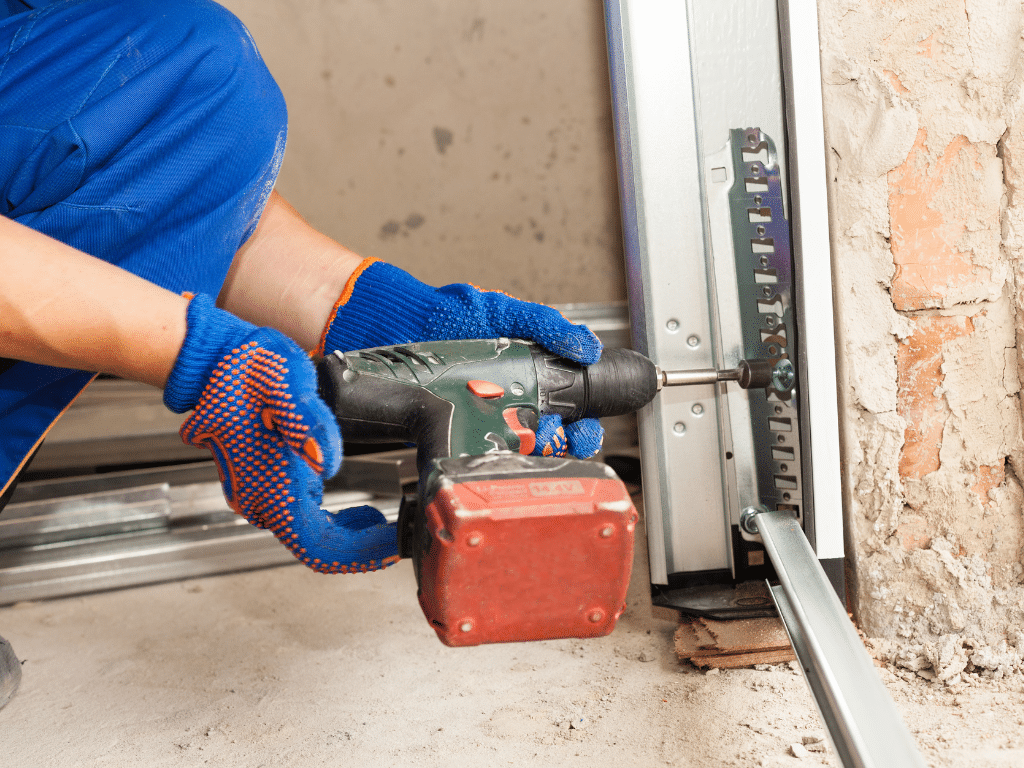
- Site measurement and load assessment
- Structural review of header beam
- Glass fabrication
- Aluminium frame installation
- Motor track alignment
- Sensor calibration
- Safety beam testing
- Commissioning and handover
A properly installed system should open smoothly without vibration or uneven track noise.
Common Problems and How to Avoid Them
Door Not Opening Consistently
Cause:
- Poor sensor positioning
- Interference from reflective surfaces
Solution:
- Adjust detection angle
- Upgrade sensor quality
Excessive Noise
Cause:
- Misaligned track
- Low-quality rollers
Solution:
- Replace rollers
- Realign track during servicing
Premature Motor Failure
Cause:
- Underspecified motor for traffic load
Solution:
- Upgrade to higher cycle rating motor
Automatic sliding door installation must match usage intensity. A clinic entrance differs from a warehouse entrance in daily cycle count.
Conclusion
Automatic door installation Singapore projects demand technical precision, regulatory awareness, and long-term reliability planning. The right contractor will evaluate traffic load, compliance requirements, and integration needs before quoting a price.
If you are planning a new installation or upgrading an existing entrance system, speak to a team that understands automation infrastructure across gates, access control, and façade integration. That difference determines whether your entrance works quietly for ten years or requires constant repair.
FAQs About Automatic Door Installation Singapore
How long does automatic door installation take in Singapore?
Most commercial installations take two to five working days depending on structural modification and glass fabrication time. Larger retail entrances require longer alignment and calibration testing.
Do automatic doors require BCA approval?
Structural modifications may require submission under BCA guidelines. Contractors familiar with compliance can advise based on project scope.
What maintenance is required after installation?
Annual servicing includes track cleaning, roller inspection, sensor calibration, and safety beam testing to maintain operational safety.
Are automatic sliding doors safe during power failure?
Systems can be configured to fail safe open or include battery backup depending on fire safety requirements.